
Winter 2025
Grief is often spoken of as a bridge -a passage that must be traversed to move from one place to another. It’s something to cross, endure, and eventually leave behind.
Others describe grief as a place. We say people are “in grief,” as if it’s an underground tunnel, winding and disorienting, but one that will surely surprise us with an exit just around the corner.
For some, grief is less a place to leave and more like a backpack – something to carry. Over time, its weight shifts, the straps dig in less sharply, as other items find their way into its compartments. Yet, it remains a constant presence, a quiet companion along life’s journey.
When we think of grief, we tend to associate it with the death of a loved one. But grief is far more expansive. It arises in countless forms: the loss of a pet, a pregnancy, a relationship, or a career. It can linger in moments of transition, like moving from one house -or one chapter of life – to another.
Grief also shows up in life’s joyful milestones: weddings, graduations, births, promotions. These are moments of celebration, yet they often carry a loss with them. They separate us from who we were, from the communities we once belonged to, and from the life we once lived.
We will all experience grief in our lives, yet no two griefs are the same. No one is ever taught how to grieve, yet we instinctively understand grief as a fundamental response to loss. It isolates, and yet it connects us to the universal experience of being human.
In those moments when language fails us, when our own words can’t quite capture the weight of our sorrow, artists step in and turn to their craft to express the inexpressible, to give form and meaning to grief. Through music, painting, poetry, sculpture, and performance, artists have created works that resonate with the rawness of loss and offer solace to others who grieve.
The Art of Grief explores the ways in which artists have transformed their mourning into something tangible – a song, a canvas, a story. These creations don’t claim to erase pain or carry the burden for us. Instead, they offer something profoundly human: the sense that though we grieve alone, we are never truly alone in our grief.
This book is an invitation to reflect on the power of art to help us process, share, and carry grief. It is a reminder that, even in the depths of sorrow, we are connected – through creativity, through shared humanity, and through the unspoken language of loss.
Winter 2025
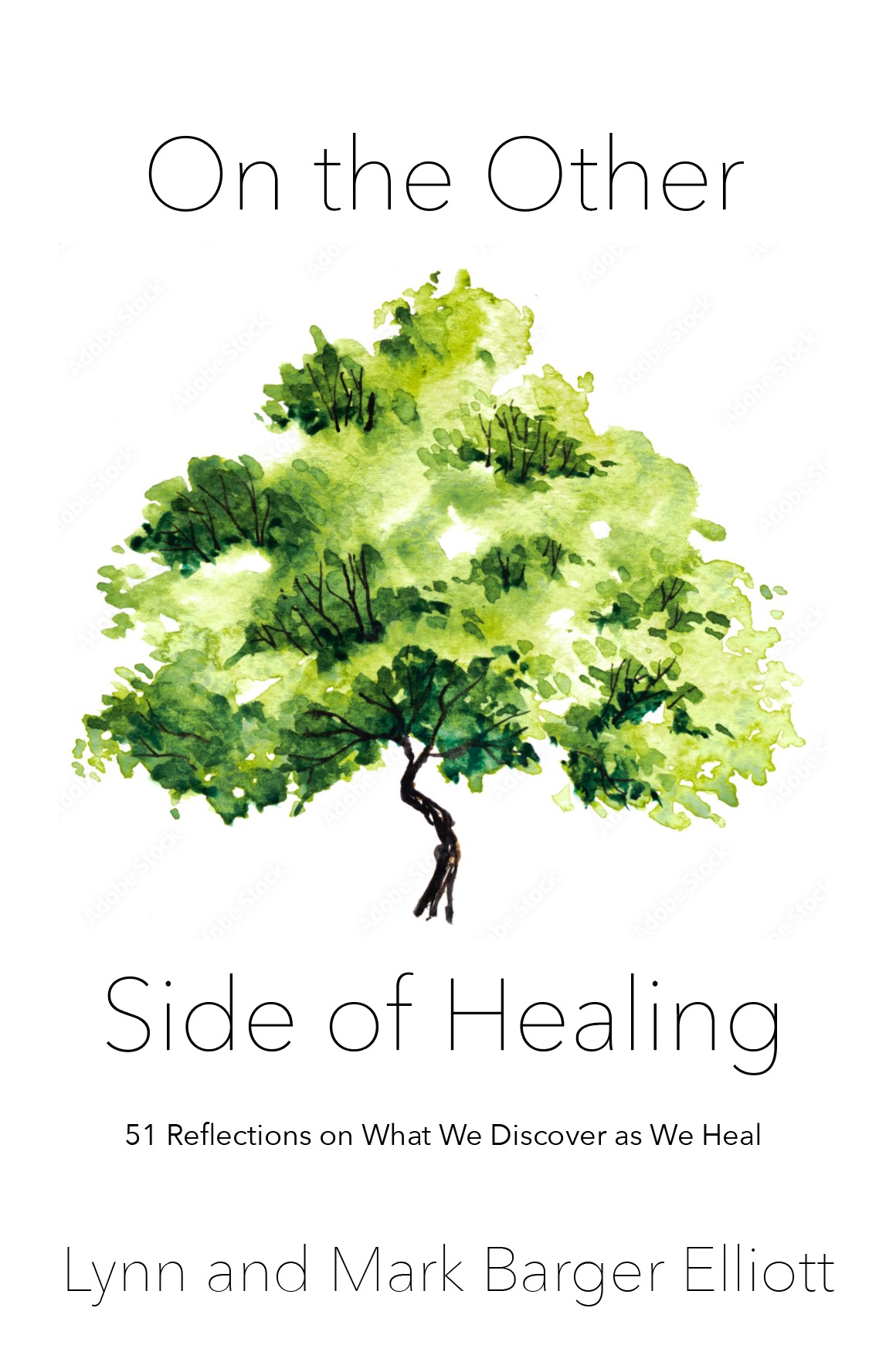
Healing is often portrayed as a linear journey – a path from brokenness to wholeness, from pain to peace. But anyone who has truly walked that road knows it’s far more complex. Healing isn’t just about moving forward; it’s about transforming, unearthing, and integrating. It’s about what lies on the other side of the experience – the side where life doesn’t look or feel the same, where we are fundamentally changed by what we’ve been through.
This book is about that side of healing.
For many of us, the hardest part of the journey isn’t the initial wound; it’s the aftermath. What happens when the dust settles? When the pain subsides but leaves its fingerprints on your life? When you’ve survived the storm but now face the work of rebuilding, reimagining, and rediscovering who you are?
The other side of healing isn’t a tidy resolution. It’s messy, surprising, and deeply human. It’s where we learn to live with scars – not as marks of defeat but as symbols of resilience. It’s where we find meaning in the struggles we’d never choose and a sense of purpose in the pieces we never thought we’d fit together again.
In these pages, we will explore what it means to truly heal – not just physically or emotionally, but holistically. We’ll uncover the myths and misconceptions about healing, the unexpected lessons it teaches, and the ways it can challenge and enrich every facet of our lives. Through stories, insights, and practical reflections, this book will invite you to step into a new understanding of what healing is and what it can become.
This is not a guide to “getting over” anything. It’s an invitation to step into a deeper, fuller relationship with yourself and your experiences. Whether you are in the midst of pain or reflecting on a journey you’ve already traveled, TheOther Side of Healing will meet you where you are – and help you move toward where you want to be.

InterGenerate: Transforming Churches through Intergenerational Ministry, Holly Catterson Allen, Editor. Abilene Christian University Press, July 2018. https://www.amazon.com//dp/1684261503
Faith Formation with a New Generation. John Roberto, Editor. Lifelong Faith Publications, Summer 2018. https://www.lifelongfaith.com
Resources for Worship and Youth Ministry, Calvin Institute of Christian Worship Publications, Fall 2018
 Lynn Barger Elliott